THE FLEETI BLOG
Fleet management trends: 5 developments for operations directors to watch
Telematics, electrification, predictive maintenance, AI and driver experience: the trends changing the way fleets are managed.

Co-founder and Chairman
Last updated
AT A GLANCE
The topic: the five trends transforming fleet management and how an operations director can adopt them to become more efficient and reduce costs.
The 5 trends: the rise of telematics (real-time data on location, fuel and driving), fleet electrification, predictive maintenance, AI-driven automation and greater attention to driver experience.
With Fleeti: Fleeti, the SaaS fleet management and telematics software founded in 2020, brings field telematics and fleet administration together. More than 1,000 clients use it, with 40,000 connected vehicles and machines and local teams in 7 countries across France and Africa.
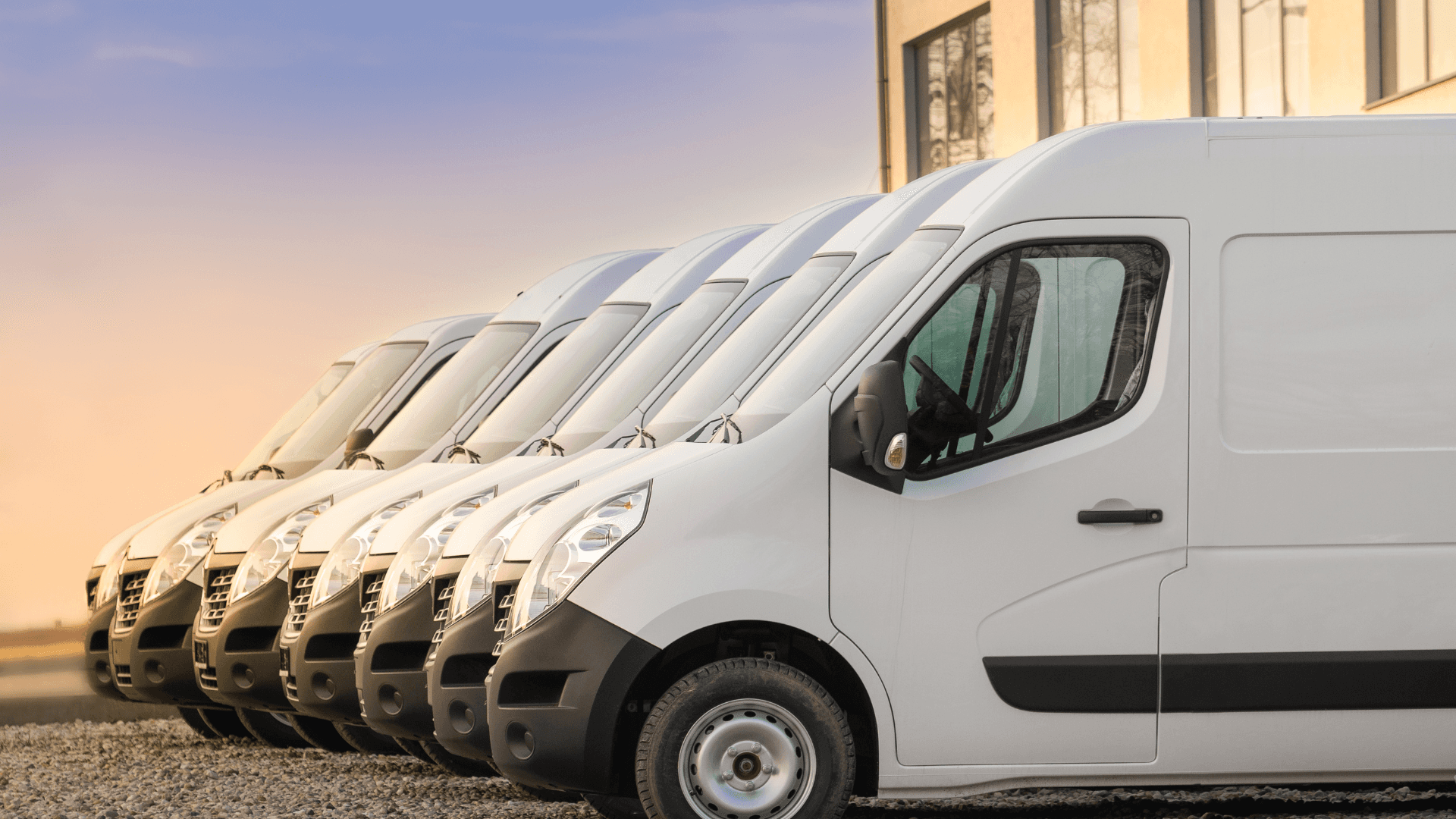
Fleet management is evolving fast, and operations directors are on the front line when it comes to adopting the new technologies and practices that improve operational efficiency and reduce costs.
This guide reviews the five trends transforming fleet management and suggests ways to stay competitive in an increasingly connected environment.
Why has telematics become indispensable in fleet management?
Telematics has become indispensable because it provides, in real time, the data on which fleet management depends: vehicle location, fuel consumption, driver behaviour and much more. By combining telecommunications and computing, it replaces manual readings with continuous, reliable information.
Properly analysed, this data helps optimise routes, reduce operating costs and improve driver safety. On-board telematics for company fleets also serves as the foundation for the other trends presented in this guide.
Why are companies electrifying their fleets?
Companies are electrifying their fleets in response to environmental concerns and stricter emissions legislation. Electric vehicles (EVs) also reduce fuel expenditure and the company’s carbon footprint, provided that charging infrastructure and the expected long-term savings are planned for.
Operations directors therefore need to get up to speed on these subjects before adopting greener vehicles. Tools dedicated to managing fleet electrification make this preparation easier. For day-to-day operations, our guide explains how to manage an electric vehicle fleet on a daily basis.
What is predictive maintenance in fleet management?
Predictive maintenance means anticipating breakdowns by analysing vehicle data, instead of servicing the fleet at fixed intervals. Companies can thus carry out proactive repairs, which limits downtime, extends vehicle lifespan and improves fleet profitability.
It is gaining in popularity as technology becomes increasingly built into vehicles. It takes the logic of preventive maintenance a step further, with servicing triggered by actual vehicle use rather than by the calendar alone.
How are automation and AI transforming fleet management?
Automation and artificial intelligence save valuable time by taking over repetitive processes, from route planning to performance monitoring. AI analyses fleet data and makes recommendations on best practice, helping operations directors make better-informed decisions.
Operations directors can thus adopt a data-driven approach to management. To separate what AI really delivers from mere promises, read our analysis of what AI really changes for a fleet.
Why has driver experience become a fleet management issue?
Driver experience has become an issue because driver satisfaction determines fleet productivity and staff turnover. Companies are therefore investing in training and tools that help drivers manage stress and feel more at ease on the road.
Mobile apps also give drivers greater autonomy and make communication with fleet managers easier, as part of day-to-day driver support.
How can an operations director make the most of these trends?
An operations director makes the most of these trends by keeping a close eye on technological developments and new consumer expectations, then adopting modern practices and tools. This improves the efficiency of the fleet and contributes to the company’s overall performance, provided the effects are measured.
To track the effect of each change, rely on key indicators to measure these developments.
We would love to hear about your experience. Which trends have you adopted or considered to optimise your fleet? Share your thoughts by email at contact@fleeti.co.
Sign up to our newsletter too, to receive the latest news from Fleeti and the industry!
What are the trends in fleet management?
Five trends are transforming fleet management: the widespread adoption of telematics, vehicle electrification, predictive maintenance, AI-driven automation and greater attention to driver experience. For an operations director, they all serve the same goal: managing the fleet on the basis of data to reduce costs and downtime.