
Fleet safety: reduce accidents and protect your teams
A safe fleet costs less and puts your staff at less risk. Fleeti combines a smart dashcam, driver score, real-time alerts and coaching to reduce accidents and defend your insurance premium. Fleet safety becomes a managed programme rather than a series of incidents you simply endure.
A safe fleet costs less and puts your staff at less risk. Fleeti combines a smart dashcam, driver score, real-time alerts and coaching to reduce accidents and defend your insurance premium. Fleet safety becomes a managed programme rather than a series of incidents you simply endure.
Book a demo

Fleet safety: reduce accidents and protect your teams
A safe fleet costs less and puts your staff at less risk. Fleeti combines a smart dashcam, driver score, real-time alerts and coaching to reduce accidents and defend your insurance premium. Fleet safety becomes a managed programme rather than a series of incidents you simply endure.
Book a demo
Turn safety into a financial and human advantage
Turn safety into a financial and human advantage
Every accident costs you twice: in money (insurance premium, downtime, excesses, sick days) and in your teams. Reducing your fleet's accidents protects your budget and your drivers' health at the same time.
Every accident costs you twice: in money (insurance premium, downtime, excesses, sick days) and in your teams. Reducing your fleet's accidents protects your budget and your drivers' health at the same time.
Fleeti focuses on prevention rather than after-the-fact reporting. You spot risks before an accident, measure your progress and turn safety into a result you track month after month.
Fleeti focuses on prevention rather than after-the-fact reporting. You spot risks before an accident, measure your progress and turn safety into a result you track month after month.

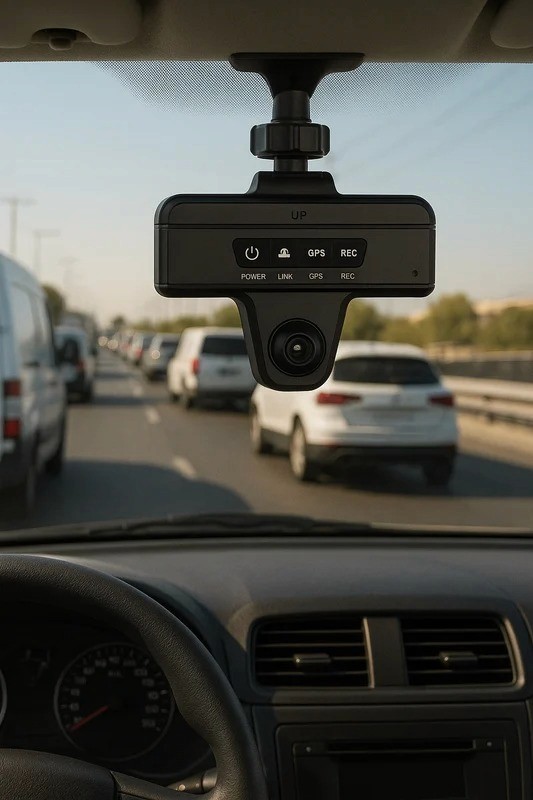
See risky behaviour in real time
See risky behaviour in real time
You can only correct what you can see. On-board telematics and the smart dashcam spot harsh braking, speeding, phone use, short following distances and signs of fatigue, then alert the driver in the cab at the right moment.
You can only correct what you can see. On-board telematics and the smart dashcam spot harsh braking, speeding, phone use, short following distances and signs of fatigue, then alert the driver in the cab at the right moment.
You get an objective view of driving, without constant monitoring, and focus your efforts on the drivers and trips that need it.
You get an objective view of driving, without constant monitoring, and focus your efforts on the drivers and trips that need it.
Cut claims for good through coaching
Cut claims for good through coaching
Spotting behaviour is not enough; it has to change. The Fleeti driver score rates each employee on objective criteria, triggers targeted coaching and rewards progress through team challenges.
Spotting behaviour is not enough; it has to change. The Fleeti driver score rates each employee on objective criteria, triggers targeted coaching and rewards progress through team challenges.
The effect is measurable and lasting: fewer risky events, fewer accidents and lower fuel use. An educational rather than punitive approach is what builds good habits.
The effect is measurable and lasting: fewer risky events, fewer accidents and lower fuel use. An educational rather than punitive approach is what builds good habits.

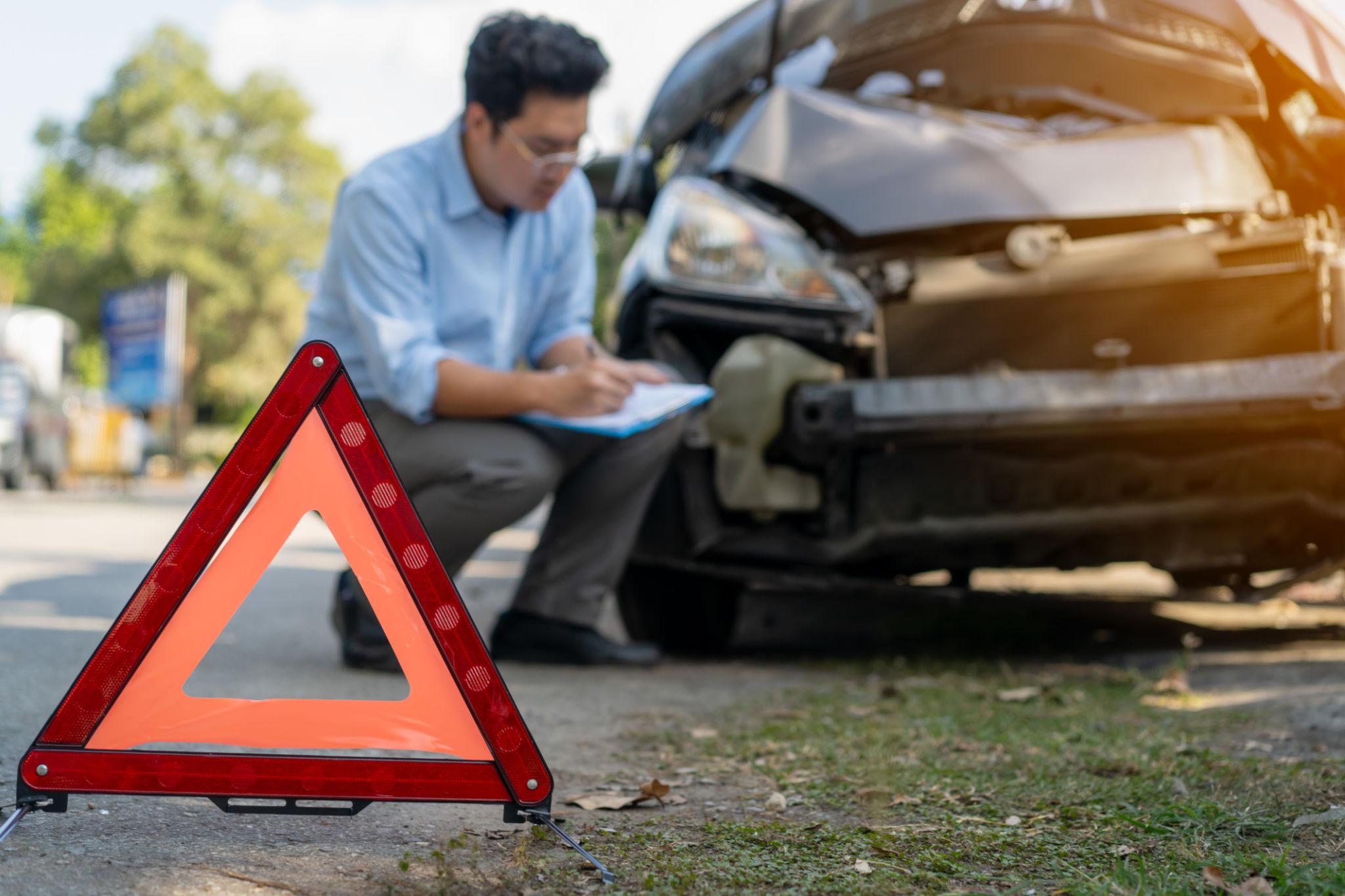
Protect the company and defend your insurance premium
Protect the company and defend your insurance premium
When an incident occurs, video evidence and trip data establish liability within minutes. You clear drivers who were not at fault, speed up the claim and limit false claims.
When an incident occurs, video evidence and trip data establish liability within minutes. You clear drivers who were not at fault, speed up the claim and limit false claims.
This objective data also changes your conversation with the insurer. A controlled, documented claims record becomes a concrete argument for negotiating your premium at a time when insurance costs keep rising.
This objective data also changes your conversation with the insurer. A controlled, documented claims record becomes a concrete argument for negotiating your premium at a time when insurance costs keep rising.
Book a demo
Measure the real stakes of workplace road risk

No. 1 cause
No. 1 cause
No. 1 cause
Road risk is the leading cause of fatal workplace accidents.
Road risk is the leading cause of fatal workplace accidents.
90 %
90 %
90 %
Nearly nine accidents out of ten involve a human factor, which prevention and coaching can address.
Nearly nine accidents out of ten involve a human factor, which prevention and coaching can address.
Nearly nine accidents out of ten involve a human factor, which prevention and coaching can address.
1 in 3
1 in 3
1 in 3
Excessive or inappropriate speed is involved in nearly a third of fatal accidents.
Excessive or inappropriate speed is involved in nearly a third of fatal accidents.
Excessive or inappropriate speed is involved in nearly a third of fatal accidents.
The risky behaviours Fleeti detects continuously
Telematics and the smart dashcam continuously monitor the behaviours that cause accidents at carriers and logistics providers. They do the same for passenger transport fleetsand service or field fleets. Every deviation is spotted, dated and reported so coaching can be targeted.
01
01
Speeding
Speeding
Speeding and driving too fast for conditions. Speed greatly increases the severity of accidents.
Speeding and driving too fast for conditions. Speed greatly increases the severity of accidents.
Speeding and driving too fast for conditions. Speed greatly increases the severity of accidents.
Speeding and driving too fast for conditions. Speed greatly increases the severity of accidents.
02
02
Harsh driving
Harsh driving
Late braking, hard acceleration and sharp cornering. These signal risky driving and increase wear.
Late braking, hard acceleration and sharp cornering. These signal risky driving and increase wear.
Late braking, hard acceleration and sharp cornering. These signal risky driving and increase wear.
Late braking, hard acceleration and sharp cornering. These signal risky driving and increase wear.
03
03
Distraction at the wheel
Distraction at the wheel
Phone in hand, inattention, following too closely. A major cause of avoidable accidents in professional driving.
Phone in hand, inattention, following too closely. A major cause of avoidable accidents in professional driving.
Phone in hand, inattention, following too closely. A major cause of avoidable accidents in professional driving.
Phone in hand, inattention, following too closely. A major cause of avoidable accidents in professional driving.
04
04
Fatigue and alertness
Fatigue and alertness
Signs of drowsiness and extended driving time. In-cab alerts warn of dozing off before an incident.
Signs of drowsiness and extended driving time. In-cab alerts warn of dozing off before an incident.
Signs of drowsiness and extended driving time. In-cab alerts warn of dozing off before an incident.
Signs of drowsiness and extended driving time. In-cab alerts warn of dozing off before an incident.
Roll out a safety programme in 3 steps
Reducing accidents takes method, not a twelve-month project. Fleeti structures your road risk prevention programme in three controlled steps, from assessment to ongoing management.
01 Assessment
01 Assessment
A 30-day audit of your claims and driving behaviour. Identification of the most exposed drivers and trips, and review of telematics equipment. You get a quantified baseline and a prioritised action plan.
A 30-day audit of your claims and driving behaviour. Identification of the most exposed drivers and trips, and review of telematics equipment. You get a quantified baseline and a prioritised action plan.
A 30-day audit of your claims and driving behaviour. Identification of the most exposed drivers and trips, and review of telematics equipment. You get a quantified baseline and a prioritised action plan.
02 Rollout
02 Rollout
Dashcam installation, driver score activation and in-cab alerts. First coaching sessions for priority drivers. Safety dashboards shared with your managers.
Dashcam installation, driver score activation and in-cab alerts. First coaching sessions for priority drivers. Safety dashboards shared with your managers.
Dashcam installation, driver score activation and in-cab alerts. First coaching sessions for priority drivers. Safety dashboards shared with your managers.
03 Ongoing management
03 Ongoing management
Regular reviews with your Fleeti contact. Tracking of key indicators (driver score, risky events per 100 km, seatbelt use, claims) and coaching adjustments. The first effects on claims show within the first few months.
Regular reviews with your Fleeti contact. Tracking of key indicators (driver score, risky events per 100 km, seatbelt use, claims) and coaching adjustments. The first effects on claims show within the first few months.
Regular reviews with your Fleeti contact. Tracking of key indicators (driver score, risky events per 100 km, seatbelt use, claims) and coaching adjustments. The first effects on claims show within the first few months.
Reactive or preventive safety: what Fleeti changes
Most fleets suffer accidents and then handle the claims. A preventive approach reverses this: see and correct behaviour before the accident. The difference shows in your costs and claims.
Without safety management
Without safety management
Accidents are discovered after the fact. Liability is disputed, premiums rise and behaviour does not change. You just absorb the cost.
Accidents are discovered after the fact. Liability is disputed, premiums rise and behaviour does not change. You just absorb the cost.
Accidents are discovered after the fact. Liability is disputed, premiums rise and behaviour does not change. You just absorb the cost.
With Fleeti
With Fleeti
Risky behaviour is seen and corrected continuously. You keep constant control of your fleet's safety: fewer accidents, lower claims, proven liability and a negotiable premium.
Risky behaviour is seen and corrected continuously. You keep constant control of your fleet's safety: fewer accidents, lower claims, proven liability and a negotiable premium.
Risky behaviour is seen and corrected continuously. You keep constant control of your fleet's safety: fewer accidents, lower claims, proven liability and a negotiable premium.
Road safety at work: your obligations as an employer
Beyond cost, road safety is a legal obligation. Employers must assess and prevent work-related road risk, which remains the leading cause of fatal workplace accidents in France. Fleeti helps you document this process.
Employer safety obligation
Employer safety obligation
The French Labour Code (article L. 4121-1) requires employers to take the necessary measures to protect their employees' health and safety, including on the road for work.
The French Labour Code (article L. 4121-1) requires employers to take the necessary measures to protect their employees' health and safety, including on the road for work.
Risk assessment document (DUERP)
Risk assessment document (DUERP)
Road risk must be included in France's mandatory occupational risk assessment document. Fleeti driving data feeds it with objective, dated evidence.
Road risk must be included in France's mandatory occupational risk assessment document. Fleeti driving data feeds it with objective, dated evidence.
Road risk prevention plan
Road risk prevention plan
Guidelines from INRS and the French national health insurance fund (occupational risks) recommend a plan built around journeys, vehicles, communications and skills. The Fleeti method follows the same logic.
Guidelines from INRS and the French national health insurance fund (occupational risks) recommend a plan built around journeys, vehicles, communications and skills. The Fleeti method follows the same logic.
Commuting and work-trip accidents
Commuting and work-trip accidents
An accident during a business trip engages the company's liability. Reducing accidents limits this legal risk as much as the financial one.
An accident during a business trip engages the company's liability. Reducing accidents limits this legal risk as much as the financial one.
Frequently asked questions about fleet safety and accident reduction
Fleet safety is a programme you can manage: see the risks, coach your drivers, measure progress. You protect your teams, your costs and your liability, on the road and in your figures.
Fleet safety is a programme you can manage: see the risks, coach your drivers, measure progress. You protect your teams, your costs and your liability, on the road and in your figures.
Book a demo

IoT for the operations of African and European businesses.


© 2026 Fleeti SAS