THE FLEETI BLOG
Fuel theft in Africa: 4 measures to protect your fleet
Defensive parking, secure parking areas, fuel level sensors and well-informed drivers: 4 measures to curb fuel theft.

Co-founder and Managing Director
Last updated
AT A GLANCE
The problem: fuel theft, often through siphoning or drilling into the tank, weighs heavily on fleet costs in Africa and remains underestimated.
The 4 measures: defensive parking, securing parking areas, fuel level sensors with real-time alerts and driver awareness.
With Fleeti: the fleet management and telematics software, with local teams in 7 countries including Senegal and Côte d’Ivoire, flags every abnormal drop in fuel level as it happens, along with the location and time of the theft.
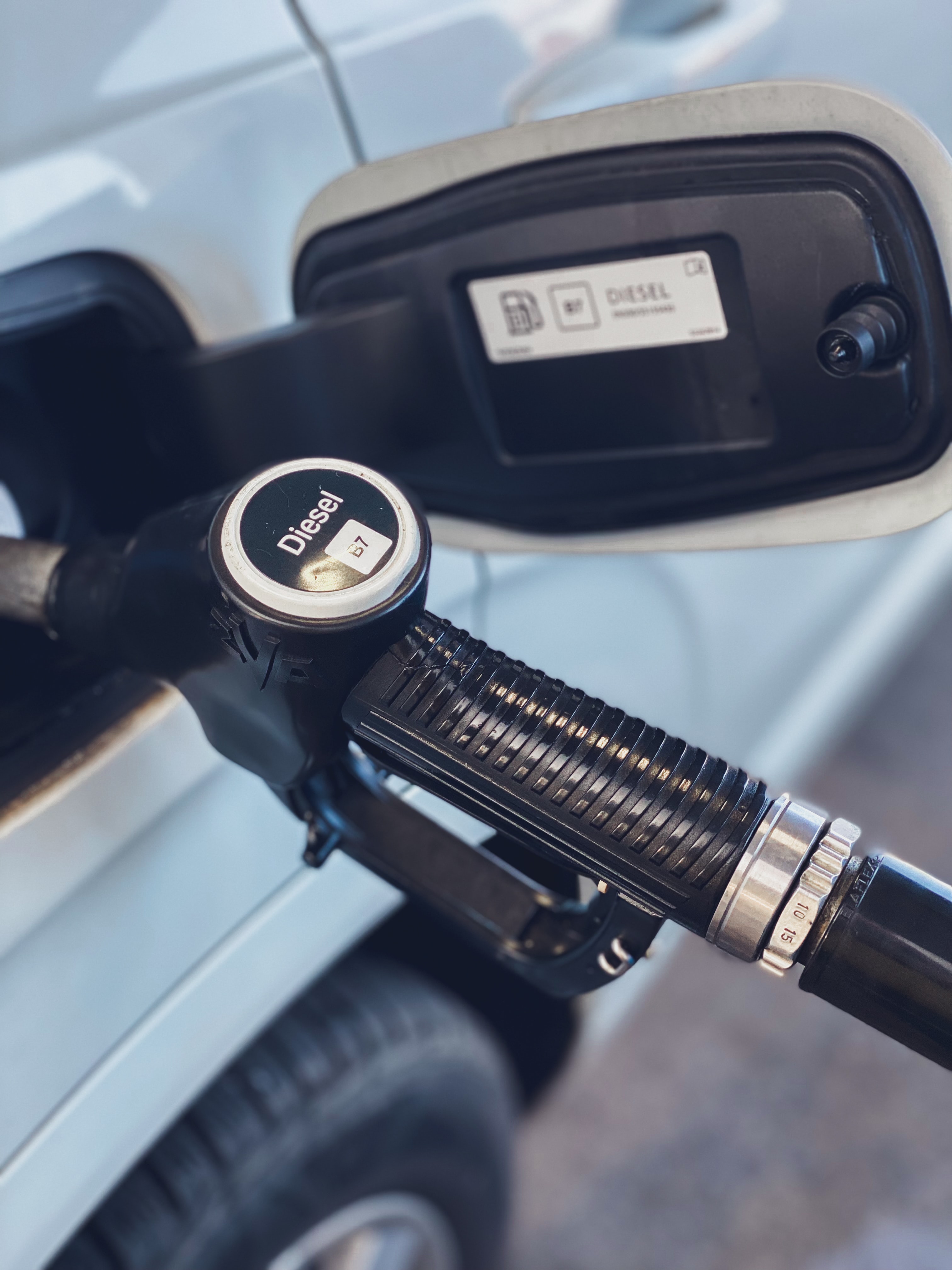
Fuel theft, and diesel theft in particular, is one of the main challenges of fleet management in Africa. Yet few fleet managers measure its real impact on their costs, and many underestimate the scale of the problem. To curb it, four measures work hand in hand: defensive parking, securing parking areas, fuel level sensors and driver awareness.
Why is fuel theft so hard to stop?
Thieves most often resort to siphoning, drawing fuel straight out of the tank, whether from a truck, a light commercial vehicle or a piece of construction machinery. These thefts are quick and easy to carry out, which explains how frequent they are.
Basic anti-siphon protection, such as a locking fuel cap or a secured fuel flap, is not enough. Thieves do not hesitate to drill through the tank, adding damage and repair costs to the loss of fuel.
Simply noting the thefts is therefore not enough. You need to take concrete steps to stop them from happening again. Here are the four levers to pull to reduce this risk across your fleet.
How can you prevent fuel theft in your fleet?
Preventing fuel theft means combining physical prevention with detection: making the tank hard to reach through defensive parking, securing parking areas, fitting tanks with sensors that send real-time alerts and training drivers in the right habits. No single measure is enough on its own: it is the combination that brings the number of thefts down.
1. Practise defensive parking to deter fuel theft
Defensive parking covers the practices that protect a vehicle through the way it is parked. Against fuel theft, the aim is to make the tank harder to reach: for example, parking the vehicle with the fuel flap side against a wall or a barrier. Faced with one vehicle that is easy to get at and another that is harder to reach, a thief in a hurry will quickly go for the first.
2. Secure your parking areas: barriers, lighting, cameras
If you have your own parking areas, protect them. A barrier around the edge of the car park makes access more difficult. Good lighting is also a deterrent: if what happens in the car park can be seen from the road, thieves will think twice before forcing their way in. Finally, if your budget allows, a security guard or a network of CCTV cameras lets you keep an eye on your vehicles and identify the culprits if a theft does take place.
3. Install fuel level sensors to detect theft in real time
The advantage of a fleet management solution such as Fleeti Telematics is that it detects fuel theft in real time. Our fuel level sensors instantly alert you to any sudden, unusual drop in the level of the equipped tank. You can act immediately, but also pinpoint where the theft occurred using GPS tracking and gain a better understanding of thieves’ habits.
Fuel levels are updated continuously in the fuel management module. This real-time monitoring helps you assess the true impact of theft on your company’s costs.
4. Make drivers aware of the risk of theft
Often overlooked, drivers are nevertheless one of the best ways to reduce fuel theft. Inform them of the risks: these thefts put the company at risk, but sometimes their own safety too. Some take place in broad daylight, during a delivery stop or a break, with consequences that can be dramatic for drivers. Explain that the fuel sensors are there to help them in this prevention effort, and involve them in monitoring the fleet.
Good practices are easy to pass on: staying alert to your surroundings during stops, not leaving the vehicle unattended for too long, practising defensive parking. These simple habits reduce the number of thefts.
A word of caution: a determined thief will always manage to take fuel. These practices reduce the risk, but no one should put themselves in danger. Protect people before you protect fuel.
Is fleet management software enough to stop fuel theft?
Not on its own, but it is a game changer: fleet management software equipped with sensors does not make theft impossible, it makes it visible and traceable. The four measures above remain the first line of defence against repeated thefts. Equipping your fleet with an anti-fuel-theft solution may seem excessive. In most cases, however, it sharply reduces the number of thefts, because monitoring happens live: you can see where the theft took place, when and in what context.
You can then identify the “high-risk areas” where thefts keep recurring, and either avoid them or monitor them using geofencing. To measure how much fuel weighs on your budgets, read our guide to the cost of fuel for fleets in Africa and discover our solutions to reduce your company’s fuel costs. Cross-checking sensor readings against purchases made with fuel cards also helps you spot discrepancies between fuel bought and fuel actually consumed, and provide evidence of theft.
Fleeti supports fleets with local teams, notably in Senegal and in Côte d’Ivoire.
How can you prevent fuel theft in a company fleet?
Fuel theft can be curbed by combining four measures: parking that makes the tank hard to reach, secure parking areas, fuel sensors that send real-time alerts on any abnormal drop, and drivers who are aware of the risks. With a solution like Fleeti, the sensors also show where and when each theft took place.