THE FLEETI BLOG
Acquiring a vehicle fleet: what should you take into account?
Buy or lease, choose vehicles, recruit drivers, calculate TCO: what to consider before acquiring or expanding a vehicle fleet.

Co-founder and Chairman
Last updated
AT A GLANCE
The topic: the points to consider when acquiring a company vehicle fleet or expanding an existing one.
Key points: choose between buying, contract hire and lease purchase, define vehicles according to your business, recruit reliable drivers, estimate the TCO (insurance, fuel, maintenance) and equip yourself with fleet management software.
With Fleeti: Fleeti, the SaaS fleet management and telematics software founded in 2020, calculates the TCO of each vehicle and analyses the data sent back by telematics trackers to size the fleet. More than 1,000 clients use it, supported by local teams in 7 countries across France and Africa.
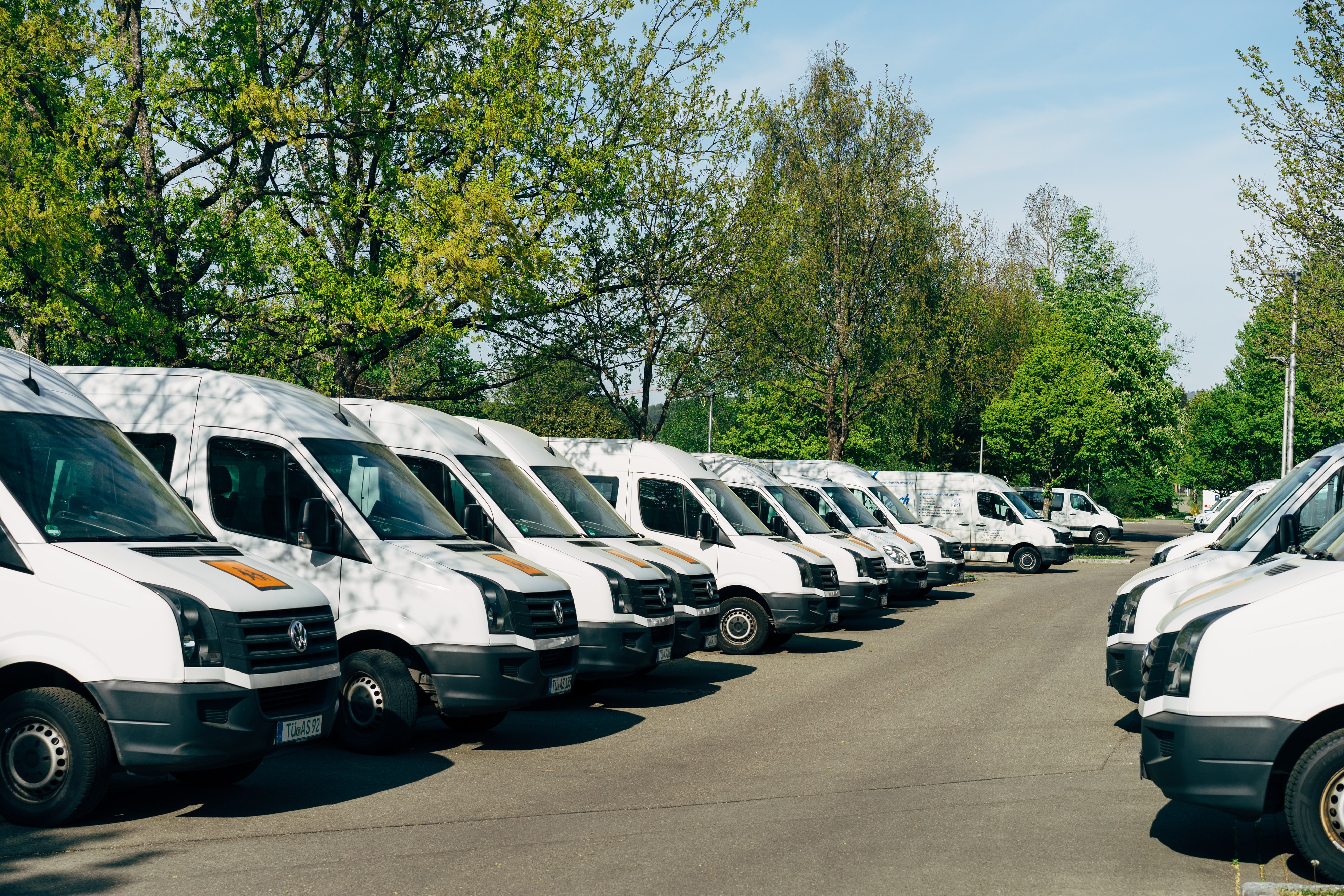
Are you about to acquire a vehicle fleet for your company? This guide reviews the points to consider before taking the plunge: acquisition method, choice of vehicles, driver recruitment, total cost of ownership and management tools. It will help you make your choices with confidence.
It is not only aimed at future fleet owners. It is also relevant if you want to expand your current fleet or replace vehicles that have become obsolete.
Should you buy or lease your vehicle fleet: purchase, contract hire or lease purchase?
Leasing is generally the better option if you renew your vehicles frequently, buying if you plan to keep them for a long time. There is no one-size-fits-all answer: the right choice depends on your needs, the vehicles you are considering and many factors specific to your company.
Three main options are available to you. Buying, outright or on credit, makes the company the owner of its vehicles: it keeps them for as long as it wishes, but bears the cost of maintenance, depreciation and resale. Long-term leasing, or contract hire, is based on a fixed monthly rental over a set term and mileage, often with maintenance and breakdown assistance included; the vehicle is returned at the end of the contract. Lease purchase, known as finance leasing for businesses, also works with monthly payments, but allows you to buy the vehicle at the end of the term.
Compare suppliers too: some offer after-sales service that leaves a lot to be desired, which may weigh in your decision.
To explore the leasing option in more depth, read our guide on how long-term leasing works for businesses. You can also discover Fleeti’s vehicle fleet financing offer.
Which vehicles should you choose for your company fleet?
The vehicles in your fleet must first and foremost meet the needs of your business. A haulier will probably favour HGVs, while a construction company will tend to use vans to move equipment and site tools. The type, model and number of vehicles all follow from these uses.
Take the time to talk to the people in your company who will be using these vehicles directly, so you fully understand their needs. Constraints on the ground differ from one industry to another, as shown by the specific features of fleet management in construction or in transport and logistics.
How should you recruit drivers for your fleet?
When recruiting drivers for your fleet, be selective: these people will be responsible for your vehicles and you need to be able to trust them completely. Your vehicles will not drive themselves, at least not yet. So do not settle for the first application that comes along: the selection process must be rigorous.
To find out more about good selection methods, read Business Fleet’s advice on hiring great drivers.
If you already have drivers, listen to their views and their needs: they are the ones you entrust your vehicles to. Once the team is in place, a driver management tool lets you know at all times who is driving which vehicle.
How can you estimate a fleet’s TCO before acquiring it?
Before buying a fleet, calculate its TCO (Total Cost of Ownership), in other words the total cost of owning the vehicles over the time they are held. Beyond the purchase price or rental, three cost items weigh particularly heavily: insurance, fuel and maintenance. Estimating them upfront avoids unpleasant surprises.
Our guide on the levers for reducing a fleet’s TCO details the approach. For an initial estimate, you can use our total cost of ownership calculator. Here are the main cost items to take into account:
Vehicle insurance: you are legally required to insure your vehicles. Compare the options and insurers available to you carefully.
Fuel: your fleet consumes fuel every day. Set a consumption budget, then reassess it after a few months using fleet fuel monitoring to bring it into line with actual consumption.
Maintenance: find out what servicing will be required. To start out with peace of mind, set up preventive vehicle maintenance planning from day one.
Why equip yourself with fleet management software from the outset?
Fleet management software simplifies the management of your vehicles and reduces your variable expenses, such as maintenance and fuel. It lets you track the fleet and its related information in real time, and centralise documents to make it easier to keep track of invoices and consumption.
Detailed reports on the information that matters to you then help you make fast, high-impact decisions. That is the whole point of Fleeti’s fleet management software: managing a vehicle fleet should not be complicated.
How can you expand an existing vehicle fleet?
To expand a vehicle fleet, go back to the criteria used for your first acquisition and enrich them with your experience. Analyse the performance of your current vehicles, gather your drivers’ feedback and clarify what you expect from the new vehicles before placing your order. This limits the risk of repeating past mistakes.
Start from the criteria of your first acquisition
Buying or leasing, choice of vehicles, recruitment, TCO: the points above remain relevant. There is no need to start from scratch, since you can draw on the experience gained in managing your current fleet.
Analyse the performance of your current fleet
If you are expanding your fleet, it is because your current fleet is no longer enough. Before buying new vehicles, analyse the performance of the vehicles in service: are you satisfied with them? Does the make you use require maintenance too often? The vehicle downtime rate is a good indicator for judging this.
Gather drivers’ feedback
Drivers know the company’s vehicles, sometimes better than fleet managers do. Take their opinions into account: they can offer valuable insight into the company’s needs. A questionnaire is a good way to organise this feedback.
Clarify your needs and your budget
Why do you want to expand your fleet? Are you already using your current fleet to its full capacity? What do you expect from these new vehicles? Does the budget set aside for this expansion match the estimated TCO? These are all questions to ask yourself before placing your order.
How does Fleeti help build and develop a fleet?
Fleeti helps build and develop a fleet by giving a quantified view of each vehicle. The software lets you calculate the TCO of each vehicle and study the performance and profitability of the current fleet. Analysing the data sent back by the telematics trackers then helps you identify your real needs and the vehicles that best meet them.
Adopting fleet management software from your very first vehicles is also a smart move: you keep control of your costs, particularly variable costs, and extend the lifespan of your vehicles. This list is not exhaustive, as every company has its own constraints, but it will help you see things more clearly.
What should you take into account when acquiring a vehicle fleet?
To acquire a vehicle fleet, a company must first choose between buying, contract hire and lease purchase depending on how long it plans to keep the vehicles, then define the vehicles suited to its business, recruit reliable drivers and calculate the total cost of ownership (TCO): insurance, fuel and maintenance. Fleet management software then helps keep these costs under control.