Guides
Fuel theft: how to plug the leak in African territories
Fuel theft: how to plug the leak in African territories

Célian Chesnoy
Sales & Marketing Manager France
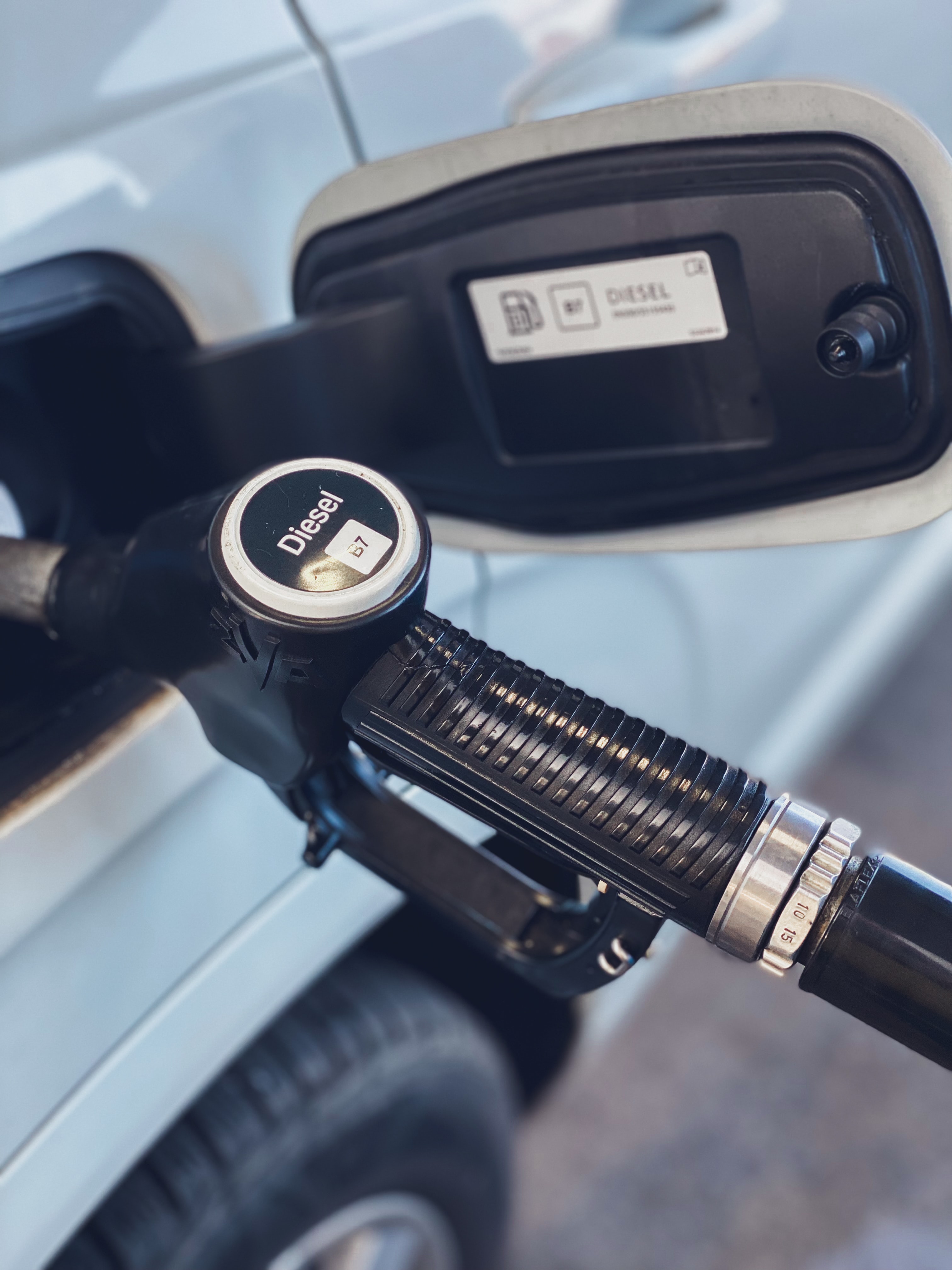



Fuel theft is one of the main problems in vehicle fleet management in Africa. However, few fleet managers realise the impact of this theft on their management costs. Many even underestimate the scale of the phenomenon. Criminals siphon vehicle tanks using various techniques.
The scale of this phenomenon is heightened by how easy these thefts are to carry out. Basic solutions, such as protecting the fuel flap, are unfortunately insufficient. Thieves are quick to puncture the tank (causing damage, and therefore additional costs).
Noticing thefts is not enough. You need to take concrete measures to prevent them happening again. Let us look together at what can be done to reduce these theft risks.
1. Opt for defensive parking against fuel theft
Defensive parking is a concept that covers all practices aimed at protecting your vehicle through where you park it. In our case, this includes practices aimed at making it harder for thieves to reach the fuel tank. You can imagine, for example, parking alongside a fence, on the side of the fuel flap. The idea is for the parking to add a level of difficulty to any attempt at fuel theft. Between a vehicle that is easy to reach and one that is harder to reach, the reasoning of the person who has to act in a hurry is quickly done.
2. Use cameras, protect your parking areas…
If you have your own parking areas, it is best to protect them. For example, you can put up a barrier along the edge of your parking space, which will make access to the car park harder. You can also intimidate thieves by lighting the parking area. If what happens in your car park is visible from the road, criminals will think twice before forcing their way in. Finally, if you can afford it, you can also hire a guard, or set up a network of cameras. This will let you keep an eye out and identify the thieves if they manage to attack one of your vehicles anyway.
3. Invest in fuel sensors
The advantage of choosing a vehicle fleet management solution like Fleeti is that it makes it possible to detect fuel theft in real time. Indeed, our sensors are programmed to tell you live of any sudden, unusual drop in the quantity of fuel in the equipped tank. This lets you act in real time, but also identify where the theft took place and so learn more about thieves’ habits. Fuel levels are updated continuously, so that you can constantly follow the fuel level in your tanks. Having this real-time tracking will let you better assess the real impact of these thefts on your business.
4. Raise drivers’ awareness
Sometimes set aside, your vehicles’ drivers are yet one of the best ways to reduce fuel theft in your organisation. They need to be informed of the risks of theft, not only because these endanger the company, but also because they sometimes endanger their own safety. Indeed, some thefts take place in the daytime, when the vehicle stops for a delivery or a break, for example. These criminal acts sometimes have dramatic consequences for drivers. It is also important to tell them that the fuel sensors are there to help them with this prevention.
Raising their awareness of good practice can also let you reduce the number of thefts. When they stop, urge them to be attentive to the environment around them. Not leaving the vehicle unattended for too long, practising defensive parking… so many things that are easy to put in place and that can protect you.
Be careful, however: a determined thief will always manage to take fuel from you. Here we are looking at practices that can reduce this tendency towards theft. You must not put yourself in danger for all that. Protect yourself before protecting the fuel.
Conclusion:
These 4 points are first pieces of advice that can help you try to put a brake on the growing number of these thefts. While investing in fleet management software to monitor your fuel may seem excessive, it is important to note that in most cases, it greatly reduces this tendency towards theft. Tracking is done live. You are able to see where the theft took place, at what time and in what context. This lets you, for example, notice and flag “danger zones”, zones where thefts are recurrent and which are therefore worth avoiding.


