Guides
Fuel in Africa: a subject sounding the alarm
Fuel weighs heavily on African fleets’ spending budgets. With IoT technology, the game changes.

Louise Duplaceau
Content & Editorial Specialist
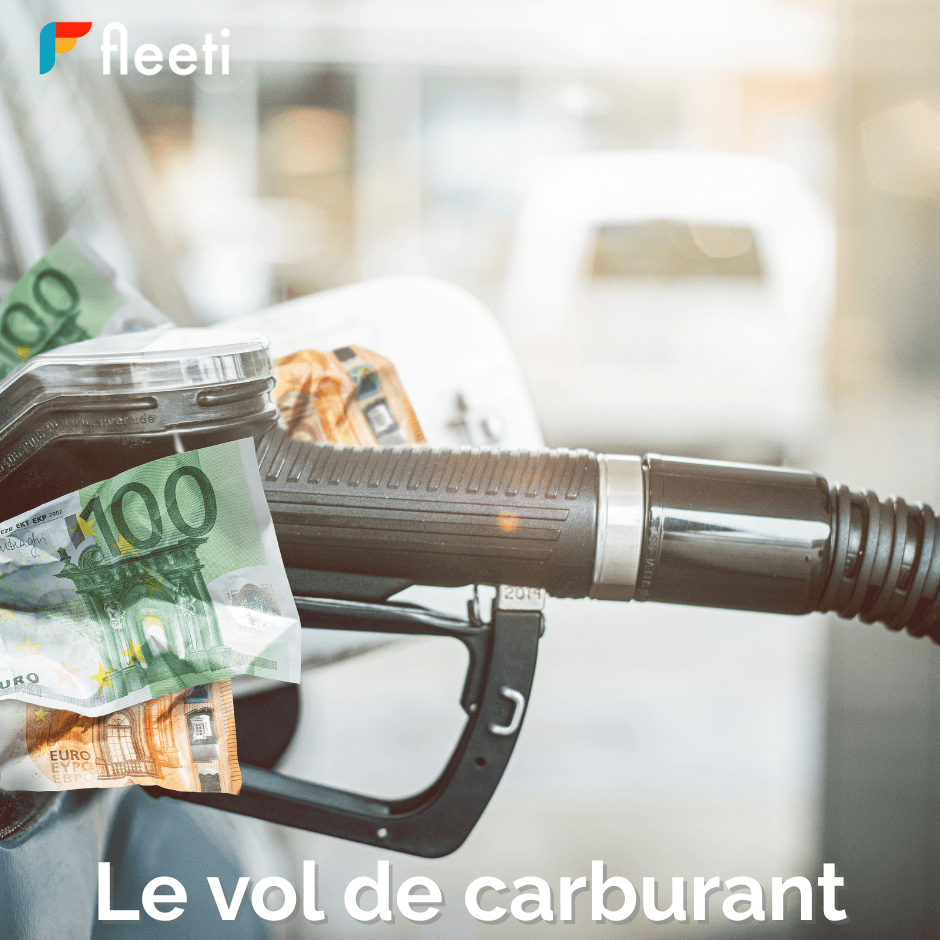



Every month, part of your fuel evaporates without a trace
We are not talking about burglary or scandal. These are small leaks that build up bit by bit with no thought for the impact they can cause. A fill-up declared a little too generously, an engine left running during a break, a driving style that eats up 20% more on every journey. Individually, nothing alarming. Collectively, several million CFA francs that leave every month without a trace.
The problem is not a lack of rigour. It is a lack of visibility.
30 vehicles, millions disappearing and nobody knows.
Nobody notices when it happens. Not the finance director, not the fleet manager, not the accountant who approves the invoices. The figures seem consistent, the drivers get back on time, the trucks keep running.
And yet, in the transport, construction and agribusiness sectors across Africa, this is a reality that cannot be ignored. On a fleet not fitted with sensors, between 15 and 25% of the fuel declared corresponds to no real productive use. Not a litre that moved a vehicle, ran a machine or delivered goods.
For example, on a fleet of 30 vehicles, that does not show up as one suspicious line in a report. It means several million CFA francs evaporating every month, with no alarm to raise, no visible anomaly, and nobody with a reason to ask questions.
That is the real danger: not the losses you see, but the ones you do not even look for.
What your figures do not tell you and what your vehicles go through every day
On paper, everything seems normal. Fill-ups are done, trucks are running, reports look alike from one month to the next. But behind this apparent regularity, three well-established habits are silently draining your fuel budget without anyone having to force a lock or falsify a document.
1. Diversion: when trust becomes a weakness
It all starts modestly, almost by chance. What was at first an isolated act gradually settles into daily life, until it becomes a normalised practice, free of any sense of guilt. A driver who takes advantage of a business refuelling to quietly fill their own jerrycan. A slightly inflated service station receipt. A few litres discreetly handed to a colleague or a family member with no compunction, done as if it were a normal gesture. No regret and no alarm to raise, it has become a habit.
That is precisely where the problem lies. These practices leave almost no trace in conventional systems. No need for complicity or sophisticated equipment. All it takes is an absence of control, a bit of nerve and the job is done!
Some fleet managers discover, after deploying a fuel tracking system, that the phenomenon had been going on for years. Not because they were negligent, but because they did not have the tools needed and simply trusted their teams.
Why is it so hard to detect?
A fuel voucher can be falsified. A mileage reading can be rounded. These methods have had their day. What changes the game is the combination of a tank level sensor and real-time GPS data. You no longer compare declarations, you compare facts, data that comes to the surface, and it is the realisation that a leak was well and truly there.
2. Excessive idling is waste with no culprit
Nobody is at fault but these are habits that take over, and they lead to fuel losses without anyone noticing. It is hard to change habits, but above all you must not fall into the comfort trap that comes down to negligence.
Examples of losses that could narrowly have been avoided:
1. “A truck waiting in front of a warehouse with the engine on because it is 38 degrees and the air conditioning is still running.”
2. “A construction machine left running during the break because ‘it takes time to restart’.”
3. “A vehicle parked in front of an office, engine running, the driver inside waiting.”
It is a matter of comfort or management that helps put the driver at ease but amounts to fuel losses over time.
And yet, it is not theft but fuel going up in smoke.
What makes the situation worse is that these behaviours are often seen as normal, even reasonable, by those who adopt them.
This situation continues and becomes a habit because without data, nothing is visible. They remain hard to correct for lack of rigorous control or real data to hand.
What is the real impact on your budget?
Two hours of idling a day, on 30 vehicles, at today’s fuel price: do the sum. On some fleets, this item alone represents 10 to 15% of total consumption. Not an accident. A habit that nobody has ever had the means to measure.
3. Aggressive driving, when driving style costs more than diversion
There is no ill intent here either. Just a slightly heavy foot, late braking, pointless revving. Reflexes often ingrained for years, that nobody has ever questioned because nobody had the data to do so.
Yet a driver with an aggressive style can consume 15 to 25% more fuel than a colleague doing the same route with the same vehicle. Across a whole fleet, the gap is colossal.
It is not a discipline problem. It is a mirror problem: most drivers would do things differently if they could see the real impact of their habits.
How do you act concretely on driving behaviour?
Not with penalties. With data. Identifying the most fuel-hungry drivers, showing them their figures, supporting them with targeted training, this is the approach that produces lasting results. Fleets that have adopted it confirm it: the gains come quickly, and they last.
With Fleeti, see what was not visible to the naked eye
This is where Fleeti comes in. Not as a surveillance tool, but as a system that finally makes visible what was not.
On-board sensors read the fuel level directly in the tank, regardless of what the dashboard gauge shows or what the driver declares. This data is cross-checked in real time with GPS journeys and recorded fill-ups. Result: gaps appear immediately, where before there were none to be seen.
What it changes day to day
An alert that arrives on your phone as soon as a fill-up does not match the level detected
A monthly report that shows, vehicle by vehicle, what was consumed, where and how
Driving behaviour tracking that lets you act on habits, not just on figures
An overall view that turns fuel management from an expense you endure into a lever you steer
No more grey areas and ‘normal’ practices that are in fact abuses. These are quantified, qualified facts that you can use from day one.
What it delivers in the first 90 days
Fleeti customers see on average a 20% reduction in their fuel budget in the first three months after deployment. Not after a complete overhaul of the organisation. Not after six months of intensive training.
In 90 days. Because the losses were already there, you just had to see them.
Do you want to know what it represents for your fleet?
Every fleet is different. Every context has its own leaks, its own habits, its own room for improvement. That is why our teams take the time to analyse your situation before proposing anything.
Not a generic figure. An estimate that speaks about your vehicles, your sector, your reality on the ground.
Book your free demo and see concretely what you could recover every month.


