Guides
Acquiring a vehicle fleet: what to consider
Acquiring a vehicle fleet is never simple: which brand to choose, how many vehicles, what type, which model, buy or lease... There are many questions. In this article, we offer ideas to help you in acquiring a company fleet.

Célian Chesnoy
Sales & Marketing Manager France
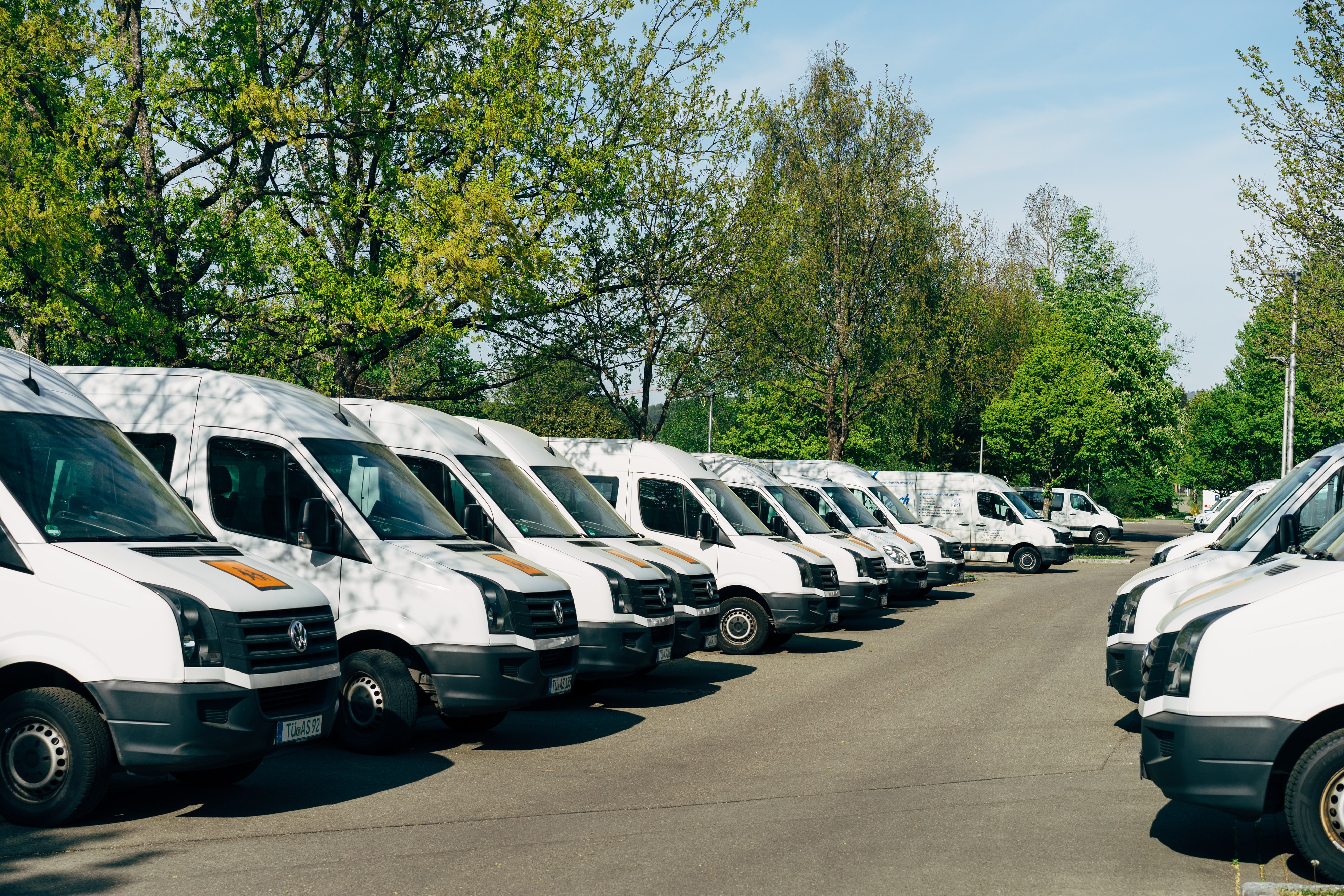



Are you about to acquire a vehicle fleet for your company? Then this article was designed for you. Together, we will look at the different things to consider before taking the plunge. This short guide will let you make your choice with confidence. However, it is not limited to future fleet owners: you may also be concerned if you want to expand your current fleet, or if you need to replace some of your vehicles that have become obsolete.
1) Acquiring a vehicle fleet: future buyers
a) Lease or buy?
The first question you will probably ask yourself is this: is it more worthwhile for you to lease your vehicles, or to buy them? Well, there is no right answer: it all depends on your needs. Each option has its advantages, but you need to work out which suit you best. If you plan to change vehicles regularly, leasing is probably more worthwhile. On the other hand, if you plan to keep the vehicles for the long term, becoming an owner can be more advantageous. This choice also depends on the vehicles you want to use, and many other factors. Also look into the different suppliers: perhaps you will find that some have poor after-sales service, and this can come into your choice.
b) The vehicle
To set up your fleet, you need to define the vehicle(s) your company needs: logical. If you are a haulier, heavy goods vehicles will probably be preferred. A construction specialist will tend to use vans to move equipment and building tools. Take the time to discuss it with the people in your company who will be directly involved in using these vehicles, to look at their needs.
c) Recruitment
Your vehicles will not drive themselves (perhaps one day, but not yet). So you need to recruit your future drivers. Do not hesitate to be selective. These people will be responsible for your vehicles. So you must be able to trust them fully. Do not be tempted to take the first person who walks through your door: selection must be rigorous.
See this article to learn more about good selection methods.
If you already have drivers, do not hesitate to listen to their opinions and needs, because once again, you are entrusting your assets to them.
d) Total Cost of Ownership
You must calculate the TCO before embarking on buying a fleet. You can refer to this article to do so, but here are a few things to take into account:
Vehicle insurance: You will be required to insure your vehicles. So do not forget to carry out a rigorous study of the different insurance options and insurers available to you.
Fuel costs: Your fleet will consume. Every day. It is therefore important to set a consumption budget. This budget will need to be reassessed after use, as it will be worth adapting it to your fleet’s actual consumption.
Maintenance costs: It is important for you to find out about the maintenance operations to be carried out on your fleet: to start with peace of mind, we advise you to put a preventive maintenance cycle in place beforehand. We have written an article on the value of setting up this type of cycle, and I leave you to read it to find out more on the subject.
e) Fleet management software!
Managing your vehicle fleet should not be something complicated. That is why fleet management software exists!
This fleet management software lets you save on your variable expenses (maintenance, fuel…), while making your life easier. Indeed, it lets you track your fleet, and the information linked to it, in real time. All your documents are centralised to make it easier to follow invoices, consumption… We provide detailed reports on the information you are interested in, so that you can make quick, high-impact decisions.
2) Acquiring a vehicle fleet: expanding your fleet
a) Go back over the previous points:
Wipe the slate clean! (well, almost, use the experience gained managing your first fleet). Indeed, when you want to grow your fleet, you can draw on the previous points, which remain relevant. However, you can also draw on some additional elements.
b) Your experience:
If you are expanding your fleet, it is because your current fleet is no longer enough. Before buying new vehicles, you can analyse the performance of your current vehicles: are you satisfied with your fleet? Is the brand you use too often subject to maintenance
c) Your drivers’ experience:
Drivers know company vehicles. Perhaps better than fleet managers. So take their opinion into account: they can give you relevant insights into your company’s needs. You can organise this information gathering in the form of a questionnaire.
d) Your needs:
Why do you want to expand your fleet? Are you using your current fleet to its full capacity? What do you expect from these new vehicles? Does the budget you want to allocate to this fleet expansion match the estimated TCO (to calculate it, see this article)? So many questions you need to ask yourself before placing an order.
Conclusion
Of course, this list is not exhaustive. To acquire a vehicle fleet, many things have to be considered. Things that are sometimes specific to each company. However, those mentioned above can help you in your approach, and let you see things a little more clearly.
To help you, and particularly in the case of a fleet expansion, you can rely on our fleet management software. Indeed, we let you quickly calculate your TCO per vehicle, and therefore study the performance & profitability of your current vehicles. The in-depth analysis of the data retrieved via our devices gives you the keys to better identify your needs, and the vehicles that best meet them.
However, choosing our fleet management software from your very first vehicles is also sensible. It will let you control your costs (in particular variable costs), and improve vehicle lifespan.


